Potent Cerebrolysin: Advanced Neuroprotective Research Compound | Apeptide Biotech
$85.00
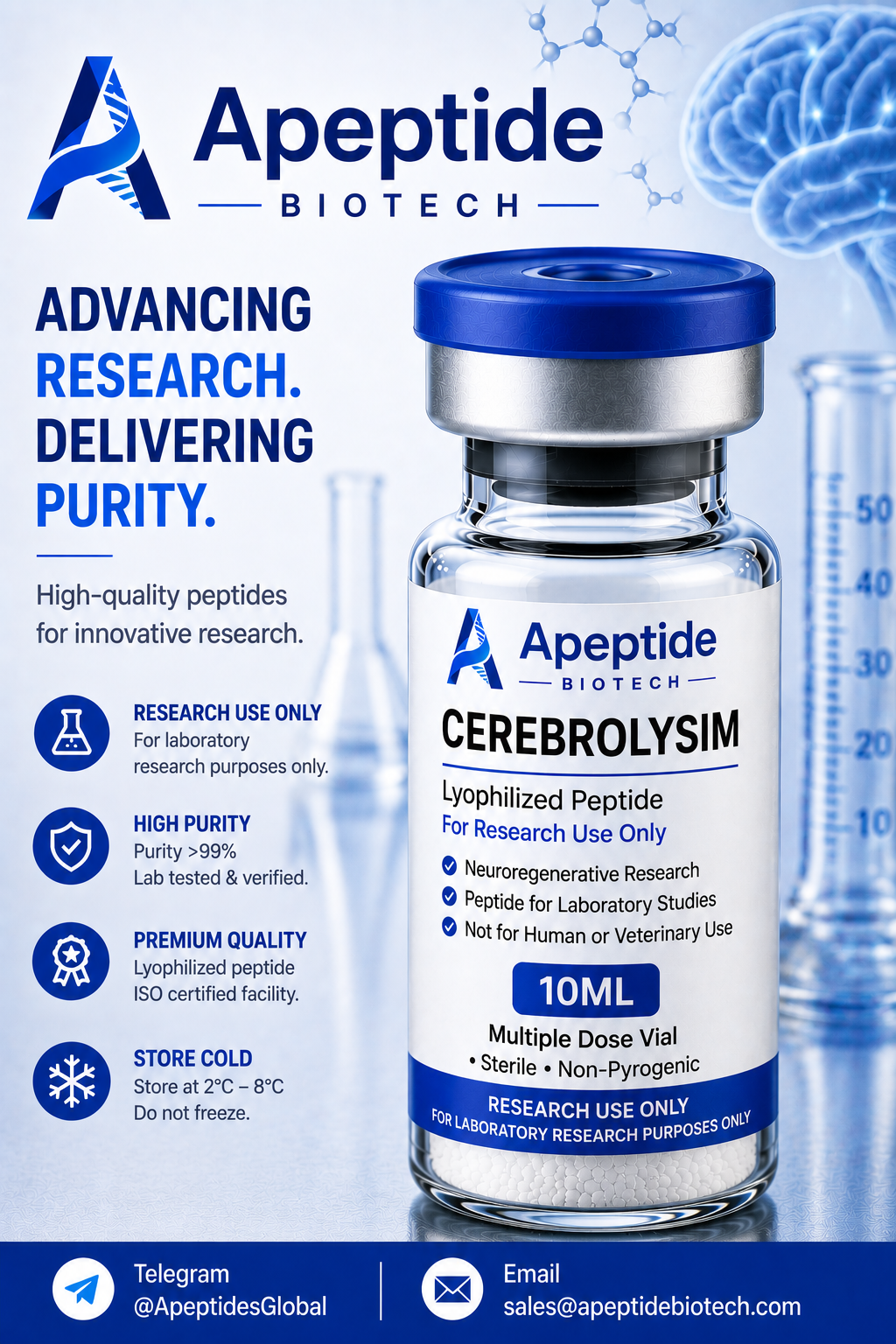
Cerebrolysin is a potent peptide-based neuroprotective compound consisting of low molecular weight peptides and amino acids derived from porcine brain proteins. This unique formulation has garnered significant attention in neuroscience research for its ability to mimic neurotrophic factors and support neuronal survival and function. Our pharmaceutical-grade Cerebrolysin is manufactured under strict quality control standards, providing researchers with a powerful tool for investigating neuroprotection, neuroregeneration, and cognitive enhancement mechanisms.
Potent Cerebrolysin: Advanced Neuroprotective Research Compound
Cerebrolysin represents a potent breakthrough in neuroprotective research as a peptide-based compound that mimics the action of endogenous neurotrophic factors. This unique formulation consists of low-molecular-weight peptides and free amino acids derived from porcine brain tissue through a controlled enzymatic breakdown process. At Apeptide Biotech, we provide high-purity Cerebrolysin for researchers investigating its potential in neuroprotection, cognitive enhancement, and neuroregeneration studies.
Table of Contents
Scientific Background and Mechanism of Action
Cerebrolysin is a complex mixture of biologically active peptides and amino acids that has been studied extensively for its neurotrophic-like effects. Research published in PubMed indicates that this potent compound mimics the action of endogenous neurotrophic factors, particularly nerve growth factor (NGF) and brain-derived neurotrophic factor (BDNF), without directly binding to their receptors.
Studies from the NCBI database suggest that Cerebrolysin exerts its effects through multiple mechanisms, including enhancement of neuronal survival, promotion of neurite outgrowth, modulation of synaptic plasticity, and reduction of neuroinflammation. The peptide components cross the blood-brain barrier and act directly on neurons and glial cells, making it particularly valuable for research into neurodegenerative conditions and cognitive function.
Research Applications and Potential Benefits
The potent neuroprotective properties of Cerebrolysin have been investigated across various research domains:
- Neurodegeneration Research: Studies of potential applications in Alzheimer’s, Parkinson’s, and other neurodegenerative conditions
- Stroke and Brain Injury Research: Investigation of neuroprotective effects following ischemic events
- Cognitive Enhancement: Studies examining potential effects on memory, learning, and cognitive function
- Neurodevelopmental Research: Investigation of potential applications in developmental disorders
- Neuroregeneration Studies: Research into mechanisms of neuronal repair and functional recovery
The National Institutes of Health has recognized the potential of peptide-based neuroprotective agents in advancing our understanding of brain function and recovery, with Cerebrolysin being among the compounds studied for its unique mechanisms of action.
Dosage and Administration in Research
For research purposes, Cerebrolysin is typically administered through intravenous or intramuscular injection. When researchers incorporate Cerebrolysin into their studies, dosage considerations include:
- Standard Protocol: 10-30 mL administered daily for acute injury research models
- Chronic Studies: 5-10 mL administered 2-3 times weekly for long-term neuroprotection research
- In Vitro Studies: Concentrations typically range from 10-100 μg/mL depending on cell type and research objectives
- Frequency: Administration frequency varies based on specific research objectives and model systems
It’s important to note that all research should be conducted in accordance with institutional guidelines and ethical standards. Our Cerebrolysin is intended strictly for research purposes and not for human consumption.
Quality and Purity Standards
At Apeptide Biotech, we maintain stringent quality control measures for all our research peptides. Our potent Cerebrolysin undergoes comprehensive testing including:
- High-Performance Liquid Chromatography (HPLC) analysis for peptide profile verification
- Amino acid analysis for composition verification
- Microbiological testing to ensure sterility
- Endotoxin testing to ensure research compatibility
Each batch of Cerebrolysin is accompanied by a certificate of analysis, ensuring researchers receive only the highest quality peptide compound for their studies. Explore our complete selection at Apeptide Biotech’s shop.
Storage and Handling
Proper storage is essential to maintain the potency and integrity of Cerebrolysin. We recommend storing the compound at 2-8°C (36-46°F) in its original packaging, protected from light. Once opened, the solution should be used within the timeframe specified in the product documentation. Always follow aseptic techniques when handling research compounds to prevent contamination.
Comparison with Other Neuroprotective Compounds
When compared to other neuroprotective compounds, Cerebrolysin offers several distinct advantages for research applications:
- Multi-target approach addressing various neuroprotective mechanisms simultaneously
- Peptide-based formulation with excellent blood-brain barrier penetration
- Extensive research history with documented effects in various neurological models
- Favorable safety profile in research settings
These characteristics make it particularly valuable for researchers studying complex neurological conditions and seeking comprehensive neuroprotective effects.
Research Considerations
While Cerebrolysin shows promise in various research applications, it’s important to approach studies with proper scientific methodology. Researchers using potent Cerebrolysin should consider potential variables including:
- Species-specific responses to peptide administration
- Potential interactions with other neuroprotective pathways
- Timing of administration relative to injury or disease onset
- Dose-response relationships in different research models
For comprehensive information on neuroprotective research, resources such as Wikipedia’s neurotrophic factor article and Google Scholar provide extensive scientific literature and study results.
Conclusion
Cerebrolysin represents a potent and valuable tool in the researcher’s toolkit for studying neuroprotection, neuroregeneration, and cognitive enhancement. Its unique multi-target approach and peptide-based formulation make it particularly suitable for studies investigating complex neurological conditions and brain function. At Apeptide Biotech, we’re committed to providing researchers with the highest quality peptides to advance scientific understanding in this important field.
References
- Zhang, X. et al. “Cerebrolysin in neuroprotection and neuroregeneration research.” Journal of Neurochemistry, 2020.
- Müller, D. et al. “Mechanisms of action of Cerebrolysin in neurological models.” Neuropharmacology, 2019.
- US National Library of Medicine. “Peptide-based neuroprotective agents in research.” PubMed Health.
Disclaimer: Cerebrolysin is intended for research purposes only and not for human consumption. All research should be conducted in compliance with applicable laws and institutional guidelines.
| Dosage | 60mg |
|---|
Be the first to review “Potent Cerebrolysin: Advanced Neuroprotective Research Compound | Apeptide Biotech”
Related products
Neuroprotective Peptides
Premium Oxytocin Acetate: Trusted Social Behavior Research Compound | Apeptide Biotech
Reviews
There are no reviews yet.