Glutathione and NAD+: Powerful Antioxidant Duo for Cellular Health Research | Apeptide Biotech
Price range: $50.00 through $145.00
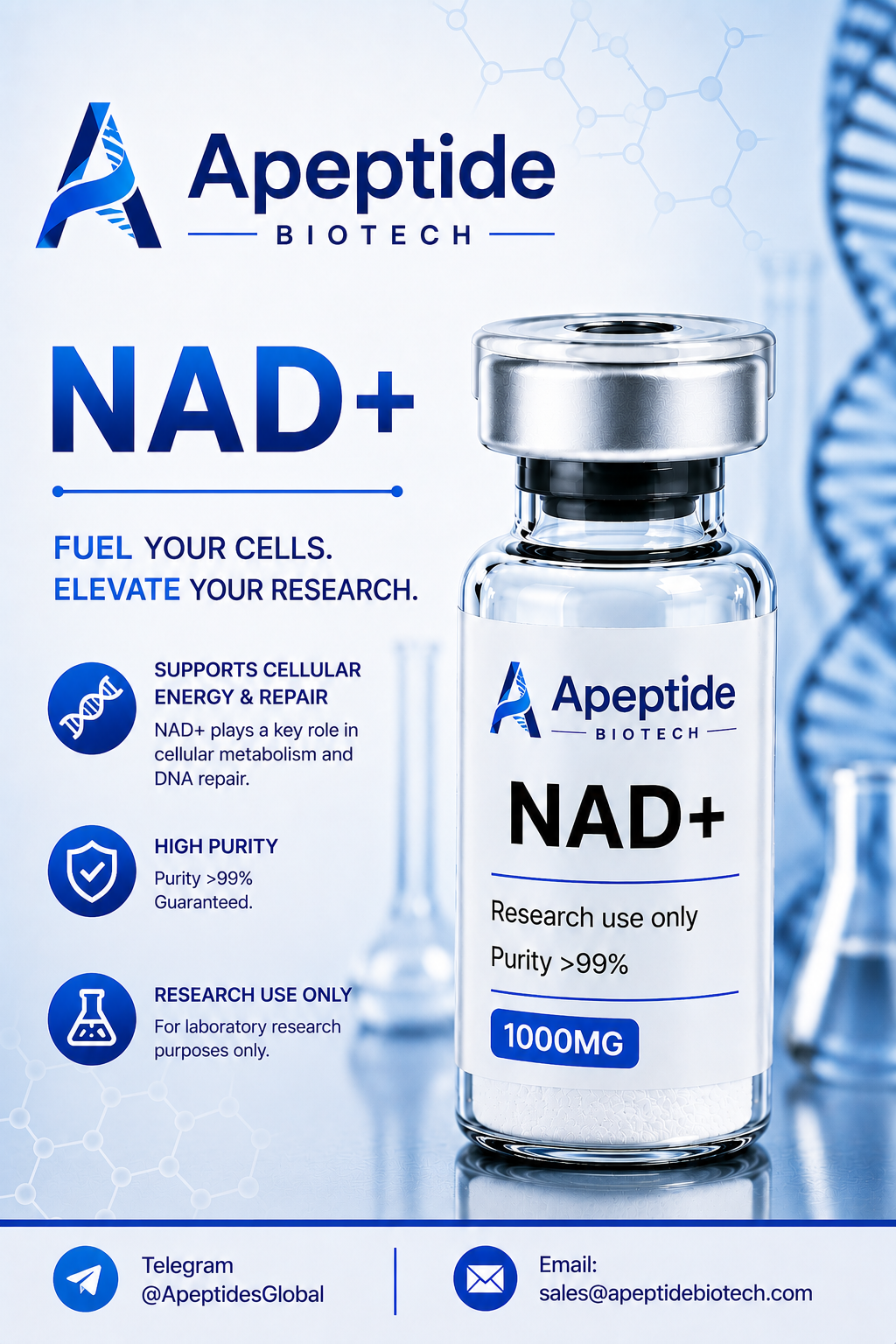
Glutathione and NAD+ is a powerful combination of two essential molecules that play critical roles in cellular health, antioxidant protection, and metabolic processes. Glutathione serves as the body’s master antioxidant while NAD+ (Nicotinamide Adenine Dinucleotide) functions as a crucial coenzyme in energy metabolism and DNA repair. This synergistic peptide combination from Apeptide Biotech is formulated for research into cellular protection, anti-aging mechanisms, and metabolic optimization.
Glutathione and NAD+: Advanced Cellular Health Research Combination
The Glutathione and NAD+ combination represents one of the most promising areas of cellular health and longevity research today. These two molecules work through complementary mechanisms to protect cells from oxidative stress, support metabolic processes, and potentially slow age-related decline. At Apeptide Biotech, we offer high-purity Glutathione and NAD+ for researchers investigating their synergistic effects on cellular function and protection.
Understanding Glutathione: The Master Antioxidant
Glutathione is a tripeptide composed of cysteine, glycine, and glutamic acid that functions as the body’s primary endogenous antioxidant. Research published in PubMed demonstrates that glutathione plays a crucial role in neutralizing harmful free radicals, supporting immune function, and facilitating detoxification processes.
The Glutathione and NAD+ combination begins with glutathione’s ability to maintain cellular redox balance, protecting proteins, lipids, and DNA from oxidative damage. As we age, glutathione levels naturally decline, making supplementation a valuable area of research for potentially restoring cellular protection mechanisms.
Understanding NAD+: The Essential Coenzyme
NAD+ (Nicotinamide Adenine Dinucleotide) is a coenzyme found in all living cells that plays a critical role in energy metabolism, DNA repair, and cellular signaling. According to studies in the NCBI database, NAD+ levels also decline with age, potentially contributing to metabolic dysfunction and age-related diseases.
When combined with glutathione, NAD+ creates a comprehensive approach to cellular health research. While glutathione primarily focuses on antioxidant protection, NAD+ appears to enhance mitochondrial function, activate sirtuins (longevity proteins), and support DNA repair mechanisms. This complementary action makes the Glutathione and NAD+ combination particularly valuable for researchers studying cellular aging and metabolic health.
Research Applications and Potential Benefits
The synergistic effects of Glutathione and NAD+ have been investigated across various research domains:
- Cellular Protection: Studies suggest enhanced protection against oxidative stress and environmental toxins
- Metabolic Health: Research indicates potential improvements in energy metabolism and mitochondrial function
- DNA Repair: NAD+ component may support natural DNA repair mechanisms
- Anti-Aging Research: Both molecules show promise in addressing age-related cellular decline
- Neurological Health: Emerging studies explore neuroprotective properties and cognitive function
The National Institutes of Health has recognized the potential of these molecules in advancing our understanding of cellular aging and metabolic health, with Glutathione and NAD+ being among the most studied compounds in this category.
Dosage and Administration in Research
For research purposes, Glutathione and NAD+ are typically administered through subcutaneous injection. Research protocols vary depending on the specific objectives, but common approaches include:
- Glutathione: 200-600 mg administered 1-2 times weekly for research studies
- NAD+: 100-500 mg administered 1-3 times per week in research settings
- Combined Protocol: Researchers often administer both compounds simultaneously to study synergistic effects
It’s important to note that all research should be conducted in accordance with institutional guidelines and ethical standards. Our Glutathione and NAD+ are intended strictly for research purposes and not for human consumption.
Quality and Purity Standards
At Apeptide Biotech, we maintain stringent quality control measures for all our research compounds. Our Glutathione and NAD+ undergo comprehensive testing including:
- High-Performance Liquid Chromatography (HPLC) analysis
- Mass Spectrometry verification
- Microbiological testing
- Potency and stability assessments
Each batch of Glutathione and NAD+ is accompanied by a certificate of analysis, ensuring researchers receive only the highest quality compounds for their studies. Visit our shop to explore our complete selection of research peptides and compounds.
Storage and Handling
Proper storage is essential to maintain the integrity of Glutathione and NAD+. We recommend storing these compounds at -20°C (or -4°F) in their lyophilized form. Once reconstituted, they should be refrigerated and used within the timeframe specified in the product documentation. Always follow aseptic techniques when handling research compounds to prevent contamination.
Research Considerations
While Glutathione and NAD+ show promise in various research applications, it’s important to approach studies with proper scientific methodology. Researchers should consider potential variables including:
- Subject-specific responses to compound administration
- Interaction with other cellular pathways
- Long-term effects of repeated administration
- Dose-response relationships in different research models
For comprehensive information on cellular health research, resources such as Wikipedia’s glutathione article and Google Scholar provide extensive scientific literature and study results.
Conclusion
Glutathione and NAD+ represent a valuable combination in the researcher’s toolkit for studying cellular health, aging processes, and metabolic function. Their complementary mechanisms of action make them particularly suitable for studies investigating complex cellular protection and repair pathways. At Apeptide Biotech, we’re committed to providing researchers with the highest quality compounds to advance scientific understanding in this important field.
References
- Lewis, K. et al. “Glutathione: Overview of its protective roles, measurement, and biosynthesis.” Molecular Aspects of Medicine, 2020.
- Imai, S. & Guarente, L. “NAD+ and sirtuins in aging and disease.” Trends in Cell Biology, 2014.
- US National Library of Medicine. “NAD+ metabolism in health and disease.” PubMed Health.
Disclaimer: Glutathione and NAD+ are intended for research purposes only and not for human consumption. All research should be conducted in compliance with applicable laws and institutional guidelines.
| Dosage | 100mg, 500mg, 1000mg |
|---|
Be the first to review “Glutathione and NAD+: Powerful Antioxidant Duo for Cellular Health Research | Apeptide Biotech”
Related products


Anti-Aging & Longevity Peptides
GHK Cu Near Me | Premium Copper Peptide for Research | Apeptide Biotech

Anti-Aging & Longevity Peptides
AHK-CU Peptide for Research | High-Purity AHK-CU Copper Peptide | Apeptide Biotech
Anti-Aging & Longevity Peptides
Effective SNAP-8 Peptide: Superior Anti-Aging Research Compound | Apeptide Biotech
Reviews
There are no reviews yet.